Xiao Chai Hu Tang XiaoChaiHuTang Minor Bupleurum Decoction 小柴胡汤丸 Xiao Chai Hu Wan, Hsiao Tsai Hu Tang, Minor Bupleurum Combination xiao chai hu tang minor bupleurum decoction formula
Xiao Chai Hu Tang Wan - Minor Bupleurum Decoction
小柴胡汤丸
Also known as: Xiao Chai Hu Wan, Hsiao Tsai Hu Tang, Minor Bupleurum Combination
Clinical Usage
- Shao Yang Syndrome (or "lesser yang stage") - alternating fever and chills, hypochondriac pain, irritability, bitter taste in mouth, poor appetite, nausea. Often used for illnesses (chronic or short-term) such as the flu, etc. that have "cleared" but not completely. People will describe not feeling quite right or having a range of low level symptoms for months or longer after a particular illness. Instead of fever and chills alternating they may manifest with cold extremities and warm interior or other variations.
- A range of liver related conditions including malaria, jaundice, hepatitis, liver cancer, meniere's disease, general protection from medicines that may harm the liver, etc. among issues with other digestive organs - pancreatitis, stomatitis, gastritis.
- Liver/speen disharmonies resulting in broader issues such as depression, chronic fatigue syndrome, menstrual irregularities (PMS, cramping, etc.).
- Other general immune issues such as the common cold, flu, tonsillitis, general seasonal allergies with the right underlying factors.
Functional Categories
Formula Combinations
- Si Wu Wan - Lingering cold and flu
Cautions & Precautions
- Use with caution with yin and/or blood deficiencies.
- Avoid cold, raw, and spicy foods while taking xiao chai hu tang.
Relationships
Related Products From Our Store (2)
- Xiao Chai Hu Tang Wan - HBWXiao Chai Hu Tang Wan— HBWPrice: $9.99
- Xiao Chai Hu Tang Wan - Sun TenXiao Chai Hu Tang Wan— SunTenPrice: $30.00
TCM Patterns (1 connection)
Conditions / Symptoms (21 connections)
- Abdominal Pain
- Allergies
- Chronic Illness
- Cirrhosis
- Colon Cancer
- Common Cold
- Depression
- Dysmenorrhea (Menstrual Pain - Cramps)
- Fatigue
- Fever
- Fibromyalgia (CFS)
- Flu
- Gastritis
- Hepatitis (B or C)
- Irritability
- Liver Cancer - Hepatocellular carcinoma (HCC)
- Lung Cancer
- Meniere's Disease
- Pancreatitis
- Premenstrual Syndrome (PMS)
- Tonsillitis
Formulas Related by Clinical Functions
Xiao Chai Hu Tang Wan is in the "Regulate and Harmonize the Liver and Spleen" group within the "Harmonize" category.
Other Formulas in "Regulate and Harmonize the Liver and Spleen" (13)
- Tong Xie Yao Fang Wan Important Pills for Painful Diarrhea / Calm Wind Pills
Other Formulas in "Harmonize" (14)
- Tong Xie Yao Fang Wan Important Pills for Painful Diarrhea / Calm Wind Pills
Common Formula Ingredients
Xiao Chai Hu Tang Wan is generally comprised of the following 7 ingredients:
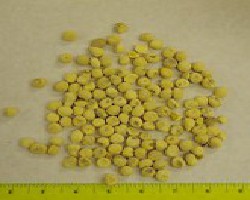
Ban Xia
Pinellia Rhizome
- Dries dampness, transforms cold-phlegm, descends rebellious qi - cough with copious sputum especially due to dampness of spleen.
- Harmonizes stomach, stops vomiting due to lingering phlegm-dampness in the stomach.
- Dissipates nodules, reduces distension - phlegm in chest or neck or anywhere in the body, focal distention in the chest.
Ban Xia is also included in 15 formulas
- Ban Xia Bai Zhu Tian Ma Wan Pinellia, Atractylodis and Gastrodia Combination 半夏白术天漫丸
- Ban Xia Hou Po Wan Pinellia & Magnolia Pills 半夏厚朴丸
- Ban Xia Xie Xin Wan Pinellia Drain Epigastrium Pills 半夏泻心 丸
- Bao He Wan Preserve Harmony Pills 保和丸
- Chai Hu Gui Zhi Tang Wan Bupleurum and Cinnamon Twig Decoction 柴胡桂枝湯
- Chai Hu Jia Long Gu Mu Li Wan Bupleurum, Dragon Bone, and Oyster Shell Formula 柴胡龙骨牡蛎丸
- Er Chen Wan Two Aged Herbs 二陈丸
- Hui Chun Wan Recovery Special Pill
- Huo Xiang Zheng Qi Wan Agastache Powder to Correct the Qi 藿香正气丸
- Ping Gan Liu Qi Yin Wan Dang Gui And Pinellia Combination 平肝流氣飲
- Qing Qi Hua Tan Wan Clear the Qi and Transform Phlegm Pill 清气化痰丸
- Su Zi Jiang Qi Wan Perilla Fruit Pill to Direct Qi Downward
- Wen Dan Wan Warm the Gallbladder Formula 温胆丸
- Wen Jing Wan Warm the Menses Formula 温经丸
- Xiang Sha Liu Jun Zi Wan Aucklandia, Amomi & Six Gentlemen Pills 香砂六君子丸

Chai Hu
Thorowax Root, Bupleurum
- Clears shao yang disorders and reduces fever - alternating chills and fever, bitter taste in the mouth, irritability, vomiting, stifling sensation in the chest.
- Relieves liver qi stagnation (often used with Bai Shao) - vertigo, menstrual disorders, chest and flank pain, the most common herb to treat stress, irritability, depression, etc.; also for liver and spleen disharmony - bloating, nausea, indigestion, flank pain.
- Raises yang qi in spleen and stomach deficiency patterns (often used with Sheng Ma) - prolapsed organ, diarrhea, hemorrhoids.
Chai Hu is also included in 23 formulas
- Bu Zhong Yi Qi Wan Tonify the Middle and Augment the Qi Formula 补中益气丸
- Chai Hu Gui Zhi Gan Jiang Wan Bupleurum, Cinnamon Twig and Ginger Decoction 柴胡桂枝乾薑湯
- Chai Hu Gui Zhi Tang Wan Bupleurum and Cinnamon Twig Decoction 柴胡桂枝湯
- Chai Hu Jia Long Gu Mu Li Wan Bupleurum, Dragon Bone, and Oyster Shell Formula 柴胡龙骨牡蛎丸
- Chai Hu Shu Gan Wan Bupleurum Powder to Spread the Liver 柴胡疏肝汤
- Er Long Zuo Ci Wan Deafness Left Supporting Pills 耳聋左慈丸
- Gan Bing Zhi Ben Wan Liver Disease Recovery Pills 肝病治本丸
- Geng Nian An Wan Peaceful Menopause 更年安丸
- Jia Wei Gui Pi Wan Augmented Restore The Spleen Decoction 加味归脾丸
- Jia Wei Xiao Yao Wan Free and Easy Wanderer Pills 加味逍遥丸
- Jing Fang Bai Du Wan Schizonepeta and Siler Powder to Overcome Pathogenic Influences
- Li Dan Wan Benefit The Gallbladder Pills 利膽丸
- Li Niao Pai Shi Wan Water Stone Removal Pill 里鸟拍事
- Long Dan Xie Gan Wan Gentiana Purge Liver Formula 龙胆泻肝丸
- Ming Mu Di Huang Wan Rehmannia Pills to Brighten the Eyes 明目地黄丸
- Ping Gan Liu Qi Yin Wan Dang Gui And Pinellia Combination 平肝流氣飲
- Pu Ji Xiao Du Wan Universal Benefit Decoction To Eliminate Toxin 普濟消毒飲
- Ren Shen Bai Du Wan Ginseng Detoxification Pills
- Si Ni San Wan Frigid Extremities Powder Pills 四逆散
- Xiao Yao Wan Free and Easy Wanderer 逍遥丸
- Xue Fu Zhu Yu Wan Blood Stasis Relief Pills 血府逐瘀湯
- Yi Gan Wan Restrain The Liver Powder 抑肝散
- Yi Zi Wan Decoction B 乙字丸

Da Zao
Chinese Date, Jujube
- Tonifies spleen qi - weakness, shortness of breath, reduced appetite, loose stools.
- Nourishes the blood, calms the spirit - irritability, pale complexion, emotional disturbances, restlessness.
- Useful to harmonize the harsh properties of other herbs.
Da Zao is also included in 14 formulas
- Chai Hu Gui Zhi Tang Wan Bupleurum and Cinnamon Twig Decoction 柴胡桂枝湯
- Chai Hu Jia Long Gu Mu Li Wan Bupleurum, Dragon Bone, and Oyster Shell Formula 柴胡龙骨牡蛎丸
- Fang Ji Huang Qi Wan Stephania and Astragalus Teapills 防己黄芪汤
- Gan Mai Da Zao Wan Licorice, Wheat, and Jujube Formula 甘麦大枣丸
- Ge Gen Wan Kudzu Decoction 葛根湯
- Gui Zhi Tang Wan Cinnamon Twig Decoction 桂枝湯
- Huang Qi Gui Zhi Wu Wu Wan Astragalus and Cinnamon Twig Five Herb Decoction 黃耆桂枝五物湯
- Jia Wei Gui Pi Wan Augmented Restore The Spleen Decoction 加味归脾丸
- Juan Bi Wan Remove Painful Obstruction Decoction
- Ping Wei Wan Calm the Stomach Powder 平胃散
- Qing Bi Wan Clear The Nose Decoction 请鼻丸
- Qing Fei Wan Clear The Lungs Decoction 清肺湯
- Tong Qiao Huo Xue Wan Unblock the Orifices and Invigorate the Blood Decoction 通窍活血丸
- Yu Ping Feng Wan Jade Windscreen Formula 玉屏風丸
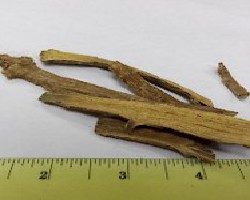
Huang Qin
Baical Skullcap Root, Scutellaria
- Clears heat, drains fire, especially from the upper warmer - heat patterns with fever, irritability, thirst, cough, thick, yellow sputum, hot sores and swellings.
- Clears heat, dries dampness - damp-heat in the stomach or intestines, diarrhea, dysentery; damp warm-febrile disease with fever, stifling sensation in the chest, thirst with no desire to drink; damp-heat in the lower jiao - lin syndrome; damp-heat jaundice.
- Clears heat, stops bleeding - vomiting and/or coughing of blood, nosebleed, blood in the stool.
- Clears heat, calms the fetus - restless fetus due to heat.
- Sedates liver yang rising - headache, irritability, red eyes, bitter taste, flushed face.
Huang Qin is also included in 22 formulas
- An Gong Niu Huang Wan Calm The Palace Pill With Cattle Gallstone 安宫牛黄丸
- Ban Xia Xie Xin Wan Pinellia Drain Epigastrium Pills 半夏泻心 丸
- Chai Hu Gui Zhi Gan Jiang Wan Bupleurum, Cinnamon Twig and Ginger Decoction 柴胡桂枝乾薑湯
- Chai Hu Gui Zhi Tang Wan Bupleurum and Cinnamon Twig Decoction 柴胡桂枝湯
- Chai Hu Jia Long Gu Mu Li Wan Bupleurum, Dragon Bone, and Oyster Shell Formula 柴胡龙骨牡蛎丸
- Chu Kou Wei Wan Chu Kou Wei Wan 除口味丸
- Dang Gui Wan Tangkuei Powder 當歸湯
- Fang Feng Tong Sheng Wan Ledebouriella Pills to Sagely Unblock 防风通圣丸
- Huang Lian Jie Du Wan Coptis Decoction To Relieve Toxicity 黃連解毒湯
- Huang Lian Shang Qing Wan Coptis Clearance Pill
- Jiang Ya Wan Repress The Blood Pressure Pills 將壓
- Li Dan Wan Benefit The Gallbladder Pills 利膽丸
- Long Dan Xie Gan Wan Gentiana Purge Liver Formula 龙胆泻肝丸
- Pu Ji Xiao Du Wan Universal Benefit Decoction To Eliminate Toxin 普濟消毒飲
- Qing Fei Wan Clear The Lungs Decoction 清肺湯
- Qing Qi Hua Tan Wan Clear the Qi and Transform Phlegm Pill 清气化痰丸
- San Huang Xie Xin Wan Drain The Epigastrium Decoction 三黃瀉心湯
- Tian Ma Gou Teng Wan Gastrodia and Uncaria Formula 天麻钩藤丸
- Xie Xin Wan Drain the Epigastrium Formula
- Xin Yi Qing Fei Wan Magnolia Flower Drink To Clear The Lungs 辛夷清肺丸
- Yi Zi Wan Decoction B 乙字丸
- Zhong Feng Hui Chun Wan Stroke Recovery Pills 中风回春 丸
Ren Shen
Ginseng Root
- Strongly tonify yuan qi - extreme collapse of qi, shortness of breath, cold limbs, profuse sweating, weak pulse (often used alone for this condition after severe blood loss).
- Tonify lung qi - wheezing, shortness of breath, w/kidneys failing to grasp the qi.
- Strengthen the middle warmer - lethargy, no appetite, chronic diarrhea, prolapse of organs, distended chest/abdomen.
- Generates fluids, stops thirst - xiao ke, damaged fluid due to high dever and profuse sweating.
- Benefits heart qi, calms the spirit - palpitations, anxiety, insomnia, poor memory, restlessness due to qi and/or blood deficiency.
Ren Shen is also included in 20 formulas
- Ba Zhen Wan Eight Treasure Combination 八珍丸
- Ban Xia Bai Zhu Tian Ma Wan Pinellia, Atractylodis and Gastrodia Combination 半夏白术天漫丸
- Bu Zhong Yi Qi Wan Tonify the Middle and Augment the Qi Formula 补中益气丸
- Chai Hu Gui Zhi Tang Wan Bupleurum and Cinnamon Twig Decoction 柴胡桂枝湯
- Chai Hu Jia Long Gu Mu Li Wan Bupleurum, Dragon Bone, and Oyster Shell Formula 柴胡龙骨牡蛎丸
- Fu Zi Li Zhong Wan Aconite Regulate Middle Pills 附子理中丸
- Gui Pi Wan Restore the Spleen Formula 归脾丸
- Jiang Tang Wan Lower Blood Sugar Pill 降糖片
- Mai Men Dong Yin Zi Wan Ophiopogon and Trichosanthes Combination 麥門冬湯
- Ren Shen Bai Du Wan Ginseng Detoxification Pills
- Ren Shen Yang Rong Wan Ginseng Decoction to Nourish the Nutritive Qi 人参养荣丸
- Sang Piao Xiao Wan Mantis Egg Case Powder 桑螵蛸散
- Shen Ling Bai Zhu Wan Ginseng, Poria & Atractylodes Pills 参苓白术丸
- Sheng Mai Yin Wan Replenish Pulse Pills 生脉饮丸
- Si Jun Zi Tang Wan Four Gentlemen Teapills 四君子汤
- Te Xiao Jing Zhui Tong Wan Patent Neck Pain Relief Pills 特效颈椎痛片
- Tian Wang Bu Xin Wan Emperor of Heavens Special Pill to Tonify the Heart 天王补心丸
- Wu Mei Wan Mume Fruit Pill 鳥梅丸
- Xiang Sha Yang Wei Wan Aucklandia Amomi Nurture Stomach Pills 香砂养胃丸
- Yu Quan Wan Jade Spring Pills 玉泉丸
Sheng Jiang
Fresh Ginger Rhizome
- Release the exterior, wind-cold, regulate ying and wei qi
- Warms the middle jiao - stomach cold/vomiting
- Alleviates coughing, warms lung
- Reduces toxicity of other herbs
Sheng Jiang is also included in 15 formulas
- Ban Xia Hou Po Wan Pinellia & Magnolia Pills 半夏厚朴丸
- Chai Hu Gui Zhi Tang Wan Bupleurum and Cinnamon Twig Decoction 柴胡桂枝湯
- Chai Hu Jia Long Gu Mu Li Wan Bupleurum, Dragon Bone, and Oyster Shell Formula 柴胡龙骨牡蛎丸
- Dan Gui Yin Zi Tangkuei Decoction 当帰飲子
- Er Chen He San Zi Yang Qin Wan Two Aged Herbs & Three Seeds Nursing Pills
- Fang Ji Huang Qi Wan Stephania and Astragalus Teapills 防己黄芪汤
- Ge Gen Wan Kudzu Decoction 葛根湯
- Gui Zhi Tang Wan Cinnamon Twig Decoction 桂枝湯
- Huang Qi Gui Zhi Wu Wu Wan Astragalus and Cinnamon Twig Five Herb Decoction 黃耆桂枝五物湯
- Jing Fang Bai Du Wan Schizonepeta and Siler Powder to Overcome Pathogenic Influences
- Ping Wei Wan Calm the Stomach Powder 平胃散
- Qing Bi Wan Clear The Nose Decoction 请鼻丸
- Qing Fei Wan Clear The Lungs Decoction 清肺湯
- Tong Qiao Huo Xue Wan Unblock the Orifices and Invigorate the Blood Decoction 通窍活血丸
- Yu Ping Feng Wan Jade Windscreen Formula 玉屏風丸
Zhi Gan Cao
Honey Fried Licorice Root
- This preparation increases the qi tonifying aspects of the heart and spleen along with its general harmonizing function within formulas. See Gan Cao for complete information.
Zhi Gan Cao is also included in 21 formulas
- Ba Zhen Wan Eight Treasure Combination 八珍丸
- Ba Zheng Wan Eight Herb Powder for Rectification 八正丸
- Bai Hu Wan White Tiger Decoction
- Bu Fei Er Jiao Wan Tonify the Lungs Formula with Gelatin
- Bu Zhong Yi Qi Wan Tonify the Middle and Augment the Qi Formula 补中益气丸
- Chai Hu Gui Zhi Tang Wan Bupleurum and Cinnamon Twig Decoction 柴胡桂枝湯
- Chai Hu Shu Gan Wan Bupleurum Powder to Spread the Liver 柴胡疏肝汤
- Er Chen Wan Two Aged Herbs 二陈丸
- Fu Zi Li Zhong Wan Aconite Regulate Middle Pills 附子理中丸
- Gui Pi Wan Restore the Spleen Formula 归脾丸
- Gui Zhi Tang Wan Cinnamon Twig Decoction 桂枝湯
- Huo Xiang Zheng Qi Wan Agastache Powder to Correct the Qi 藿香正气丸
- Ping Gan Liu Qi Yin Wan Dang Gui And Pinellia Combination 平肝流氣飲
- Ren Shen Yang Rong Wan Ginseng Decoction to Nourish the Nutritive Qi 人参养荣丸
- Shao Yao Gan Cao Wan Peony and Licorice Decoction 芍藥甘草丸
- Si Jun Zi Tang Wan Four Gentlemen Teapills 四君子汤
- Si Ni San Wan Frigid Extremities Powder Pills 四逆散
- Si Ni Tang Wan Frigid Extremities Formula 四逆汤丸
- Wen Dan Wan Warm the Gallbladder Formula 温胆丸
- Xiang Sha Liu Jun Zi Wan Aucklandia, Amomi & Six Gentlemen Pills 香砂六君子丸
- Xiao Yao Wan Free and Easy Wanderer 逍遥丸